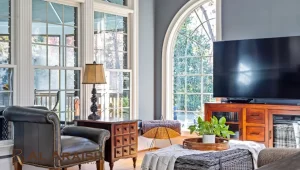
A media wall and TV console can become one of the most important design features in a modern living room. Instead of treating the television as a separate piece of equipment, a thoughtfully designed media wall can integrate the TV, storage, lighting, decorative elements, and technology into one cohesive feature.
For homeowners in the UAE, the right media wall should balance style, functionality, storage, proportions, materials, and technology. Whether you are furnishing a Dubai apartment, renovating a family home in Sharjah, or designing a spacious villa in Abu Dhabi, a custom media wall can transform the appearance and usability of your living space.
The best design is not necessarily the largest or most elaborate. It is the one that fits your room, complements your interior, hides unnecessary cables, provides useful storage, and creates a comfortable viewing environment.
What Should You Consider Before Designing a Media Wall ?
Before choosing a design, look at the entire wall rather than focusing only on the television.
Consider:
- Wall dimensions
- TV size
- Viewing distance
- Available storage
- Cable management
- Electrical points
- Lighting
- Wall finish
- Furniture placement
- Overall interior style
A media wall should be planned around the room’s proportions. A design that looks impressive in a large villa may feel overwhelming in a compact apartment.
1. Choose a Media Wall Design That Fits Your Space
The size and layout of your living room should influence the design.
For smaller UAE apartments, a streamlined TV console with minimal shelving can maintain an open feeling while providing essential storage.
Larger living rooms can accommodate wider media walls with integrated cabinets, shelves, decorative panels, and lighting.
Before finalizing the design, measure the wall carefully and consider doors, windows, air-conditioning units, sockets, and other fixed elements.
A well-proportioned media wall should feel integrated into the room rather than dominating it.
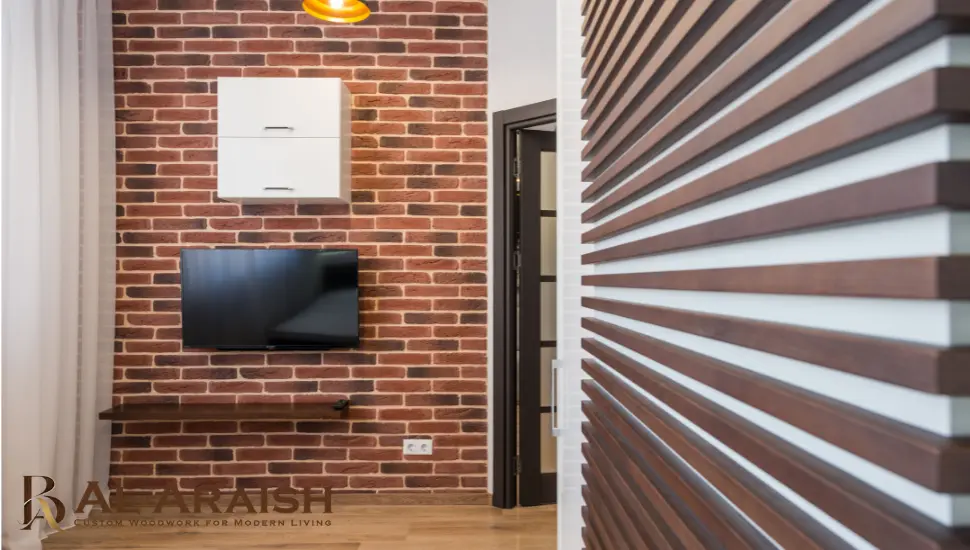
There are several ways to position a television.
A wall-mounted TV can create a clean, modern appearance and reduce the need for bulky furniture.
A TV console placed underneath can provide useful storage for:
- Gaming equipment
- Remote controls
- Streaming devices
- Speakers
- Media accessories
- Decorative items
Combining both approaches can provide the best balance between aesthetics and functionality.
The console should also be proportionate to the TV. A very small console beneath a large television can look visually unbalanced, while an oversized unit may make a smaller room feel crowded.
A custom media wall allows the design to be created specifically for your room.
Instead of purchasing a standard TV unit and trying to fit it into your interior, you can design the entire feature around your wall dimensions and storage requirements.
Custom media walls can include:
- Built-in cabinets
- Open shelving
- Display niches
- Hidden storage
- Decorative wall panels
- Integrated lighting
- Cable management
- Soundbar spaces
This makes them particularly useful when homeowners want a coordinated and premium interior.
Materials have a major influence on the appearance of a media wall.
Popular options include:
- Wood-effect finishes
- MDF panels
- Laminates
- Decorative wall panels
- Glass
- Stone-effect surfaces
- Textured finishes
For a modern UAE interior, neutral tones and clean lines can create a sophisticated appearance.
Wood-effect finishes can introduce warmth, while stone-effect materials can provide a more luxurious architectural feel.
The material should complement your flooring, furniture, wall colors, lighting, and overall interior design.
Wall paneling can turn a simple TV wall into a strong interior feature.
Instead of placing a television directly against a plain wall, decorative panels can create texture, depth, and visual separation.
Paneling can be used:
- Behind the television
- Across the entire media wall
- Around shelving
- Behind a TV console
- As an accent section
The key is to avoid unnecessary visual complexity. A well-designed media wall should enhance the room without competing with the furniture and other decorative elements.
A media wall should look good, but it should also solve practical storage problems.
Closed cabinets can hide items that you do not want visible, while open shelves can display books, artwork, accessories, or decorative objects.
A balanced design might include:
Closed storage + open shelving + TV area + decorative display
This allows homeowners to maintain a clean appearance while still keeping everyday items accessible.
For families, hidden storage can be particularly useful for keeping entertainment equipment and miscellaneous items organized.
Visible cables can quickly make an otherwise premium media wall look unfinished.
Cable management should be considered during the design and installation stage rather than after the TV has been installed.
A custom media wall can incorporate concealed pathways for:
- TV cables
- Power cables
- HDMI connections
- Sound systems
- Gaming equipment
- Streaming devices
Proper planning helps maintain a clean appearance and makes future maintenance easier.
Lighting can significantly change the appearance of a media wall.
LED lighting can be incorporated into shelves, niches, cabinets, or behind selected panels to create a soft architectural effect.
You can use lighting to:
- Highlight decorative objects
- Create depth
- Improve the evening atmosphere
- Emphasize wall textures
- Add a premium finishing touch
However, lighting should not create glare on the television screen. Positioning and brightness should therefore be considered carefully.
Your television should be one of the first elements considered when designing the wall.
The design should account for:
- Screen dimensions
- Mounting height
- Viewing distance
- Soundbar position
- Speaker placement
- Console proportions
Avoid choosing the wall design first and trying to fit the television afterward.
A properly planned media wall creates visual balance between the screen, console, shelving, and surrounding space.
Large UAE villas often provide enough space for more elaborate media wall designs.
A luxury media wall can combine premium materials, integrated storage, decorative panels, lighting, and bespoke furniture into a single architectural feature.
For example:
TV + Stone-Effect Panel + LED Lighting + Floating Console + Display Shelves
This type of design can create a sophisticated focal point while maintaining practical functionality.
Luxury does not necessarily mean adding more elements. High-quality materials, clean proportions, thoughtful detailing, and professional craftsmanship can create a more refined result.
Dubai Apartments
Choose a compact, streamlined media wall with concealed storage and clean lines to maximize available space.
Abu Dhabi Villas
Larger rooms can accommodate wider TV consoles, integrated shelving, decorative panels, and more substantial storage.
Sharjah Family Homes
Prioritize practical storage, durable materials, comfortable viewing, and a design that works for everyday family use.
Modern UAE Interiors
Minimalist finishes, floating consoles, neutral colors, concealed cables, and integrated LED lighting can create a contemporary appearance.
Media Wall vs Traditional TV Unit
A traditional TV unit is generally a standalone piece of furniture.
A media wall is more integrated into the architecture of the room and can combine the television with storage, paneling, lighting, and decorative features.
A media wall is an integrated interior feature designed around a television and may include storage, shelving, wall paneling, lighting, and concealed cable management.
A custom media wall provides greater flexibility because it can be designed around your room dimensions, television, storage requirements, materials, and interior style.
Yes. A compact media wall can make efficient use of vertical space while providing storage and keeping the television area visually organized.
Common choices include MDF, laminates, wood-effect finishes, decorative panels, glass, and stone-effect surfaces. The right material depends on the desired appearance, budget, durability, and interior style.
A wall-mounted or floating console can create a clean contemporary appearance and make the floor area easier to clean. However, the best option depends on the room and overall design.
Yes. LED lighting can be integrated into shelves, niches, cabinets, or selected wall sections to create a subtle decorative effect.
Choosing the right Media Wall / TV Console involves more than deciding where to place your television. The design should combine proportion, storage, materials, lighting, cable management, technology, and interior style.
For a compact Dubai apartment, a simple built-in TV console may be enough. For a spacious UAE villa, a fully customized media wall with decorative paneling, integrated lighting, and storage can become a striking focal point.
The best media wall is one that looks elegant, supports your entertainment setup, keeps your living space organized, and fits naturally into the overall design of your home.