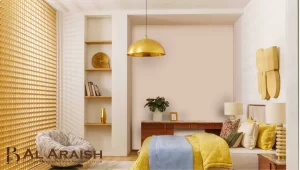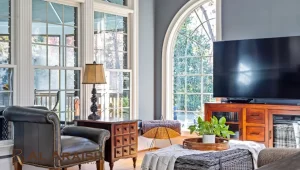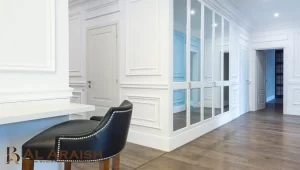
Walls can completely change the appearance and character of an interior. While paint and wallpaper remain popular choices, wall paneling offers another way to introduce texture, depth, warmth, and architectural detail into modern spaces.
For homeowners in the UAE, decorative wall paneling can be used to create elegant living rooms, sophisticated bedrooms, stylish TV walls, welcoming entrances, and premium office interiors.
From wood-effect panels and fluted designs to contemporary geometric patterns and luxury finishes, wall paneling can be customized to suit different interior styles and room requirements.
The right wall paneling should not only look attractive. It should also complement the room’s furniture, lighting, flooring, proportions, and overall design concept.
Why Is Wall Paneling Popular in UAE Interiors ?
Modern UAE interiors often combine clean architecture with carefully selected decorative details. Wall paneling can add character to otherwise plain walls while creating a more finished and sophisticated appearance.
Homeowners may use wall panels to:
- Create a feature wall
- Add texture and depth
- Enhance TV and media walls
- Improve bedroom interiors
- Complement furniture
- Create a luxury appearance
- Define different areas in open-plan spaces
- Add visual interest without major structural changes
The key is choosing a paneling style that works with the existing interior rather than making the wall unnecessarily busy.
1. Wood-Effect Wall Paneling for a Warm Interior
Wood-effect wall panels can introduce warmth and natural character into contemporary homes.
They can work particularly well in:
- Living rooms
- Bedrooms
- Dining areas
- Home offices
- TV walls
Wood-inspired finishes can complement neutral furniture, modern lighting, natural flooring, and minimalist interiors.
For UAE homes, homeowners can choose lighter wood tones for a bright contemporary appearance or deeper finishes for a more dramatic and luxurious atmosphere.
Fluted wall panels are characterized by repeated vertical grooves that create texture and visual rhythm.
This style has become popular in contemporary interior design because it can add architectural detail without relying on complicated patterns.
Fluted panels can be used behind:
- Beds
- TV consoles
- Sofas
- Reception desks
- Dining areas
- Entrance features
They can also be combined with lighting to emphasize the vertical texture and create a more refined appearance.
A TV wall is often one of the main focal points of a living room. Combining wall paneling with a custom media wall or TV console can create a more integrated design.
A complete TV wall can include:
Decorative panels + TV + floating console + storage + LED lighting
This approach helps connect the television with the rest of the interior rather than making it look like a separate object placed on a blank wall.
Paneling can also provide a background for the television while helping define the entertainment area.
Large villas often provide opportunities for more detailed interior treatments.
Luxury wall paneling can combine different textures, materials, colors, and lighting elements to create a sophisticated feature.
For example, a villa living room might combine:
- Wood-effect panels
- Decorative moulding
- Stone-effect finishes
- Integrated lighting
- Custom furniture
- Elegant accessories
The goal should be balance. Using too many finishes on one wall can make the space feel visually crowded.
The wall behind the bed is an ideal location for decorative paneling.
A carefully designed feature wall can create a strong focal point while making the bedroom feel more complete.
Popular bedroom options include:
- Fluted panels
- Upholstered panels
- Wood-effect panels
- Minimal geometric designs
- Soft neutral finishes
Paneling can be coordinated with bedside tables, wardrobes, curtains, lighting, and other bedroom furniture to create a unified interior.
Living rooms provide plenty of opportunities for creative wall paneling.
Instead of decorating every wall, consider selecting one main feature wall and keeping surrounding surfaces relatively simple.
A decorative living room wall can be designed around:
- Sofa placement
- TV console
- Artwork
- Lighting
- Architectural features
- Existing furniture
Neutral paneling can provide subtle sophistication, while stronger textures can become a statement feature.
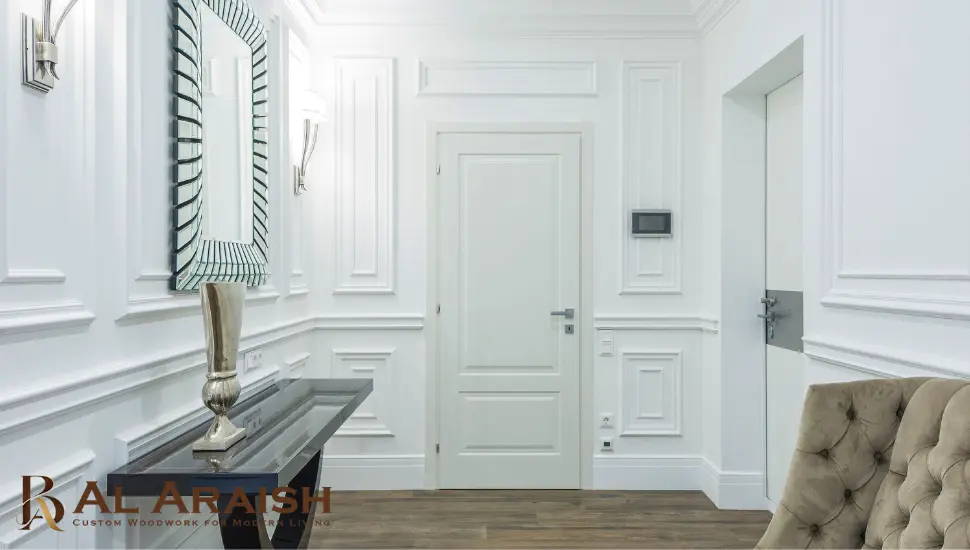
The entrance is the first part of a home that visitors experience.
A carefully designed feature wall can create a strong first impression without requiring extensive renovation.
Wall paneling can be combined with:
- Mirrors
- Console tables
- Decorative lighting
- Artwork
- Storage
- Architectural details
For narrow hallways, simpler vertical paneling can help maintain a clean and uncluttered appearance.
Wall paneling is not limited to residential interiors. It can also improve the appearance of professional workplaces.
Businesses can use decorative wall panels in:
- Reception areas
- Meeting rooms
- Executive offices
- Waiting areas
- Boardrooms
- Client lounges
The design should reflect the company’s identity while maintaining a professional atmosphere.
For example, subtle wood finishes can create a warm corporate environment, while geometric or textured panels can provide a more contemporary appearance.
Different paneling designs work better with different interior concepts.
Modern Minimalist
Choose clean lines, neutral colors, subtle textures, and simple panel layouts.
Contemporary
Combine fluted panels, wood-effect finishes, lighting, and modern furniture.
Luxury
Consider premium textures, sophisticated finishes, decorative detailing, and integrated lighting.
Classic
Decorative moulding and symmetrical panel layouts can complement traditional furniture and architectural details.
The objective is to make the wall feel connected to the rest of the room.
Wall paneling should be selected alongside the furniture rather than separately.
Consider how the panels will interact with:
- Sofas
- Wardrobes
- TV consoles
- Beds
- Dining furniture
- Curtains
- Flooring
- Lighting
For example, wood-effect wall paneling can coordinate beautifully with bespoke furniture and neutral upholstery.
A strong feature wall can also provide a visual background for furniture without competing with it.
Lighting can significantly enhance the appearance of wall panels.
LED strips, wall lights, spotlights, and concealed lighting can emphasize textures and create depth.
However, lighting should be planned carefully.
Too much brightness can reduce the visual impact of textured surfaces, while poorly positioned lights can create unwanted shadows.
A professional design should consider the panel texture, room lighting, furniture position, and desired atmosphere together.
Wall paneling is a decorative interior treatment used to cover or enhance sections of a wall using materials, textures, patterns, or architectural panels.
Yes. Wall paneling can be used in many UAE interiors, including apartments, villas, bedrooms, living rooms, TV walls, entrances, and offices.
Fluted, wood-effect, geometric, minimalist, and textured panels can all work well in modern homes. The best option depends on the interior style and room requirements.
Yes. Wall paneling can create an attractive background for a television and can be integrated with a custom TV console, storage, lighting, and cable management.
Custom wall paneling provides greater flexibility because the design can be created according to the wall dimensions, furniture, lighting, and overall interior concept.
Yes. Carefully selected materials, textures, proportions, detailing, and lighting can give a room a more refined and premium appearance.
Wall paneling is an effective way to transform plain walls into stylish architectural features. Whether you want a warm wood-effect wall, modern fluted panels, a luxury TV feature wall, or a customized bedroom design, the right paneling can significantly improve the character of an interior.
For UAE homes and offices, successful wall paneling starts with understanding the space. Consider the room’s proportions, lighting, furniture, flooring, maintenance requirements, and overall design before choosing a material or pattern.
When combined with custom wardrobes, media walls, TV consoles, and bespoke furniture, wall paneling can become part of a complete interior design rather than simply a decorative wall treatment.
The best wall paneling is not just visually attractive—it is thoughtfully designed to make your space feel more refined, functional, and complete.